Water Color Font: Elevate Your Brand with a Cool, Casual Display Typeface
As a small business owner, I know how important it is to present a consistent, professional image across every customer touchpoint. From packaging to social media, the details matter—and one of the most overlooked but powerful tools in branding is typography. That’s why I was excited to discover Water Color, a display font that brings a neat, modern, and approachable vibe to every design it touches.
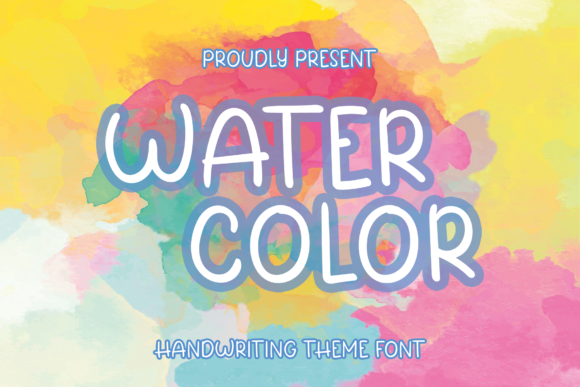
Water Color is a light, outlined display font that feels both fresh and timeless. It’s not too bold, not too soft—just the right balance for businesses that want to feel accessible yet polished. Whether you’re designing a logo for a boutique, a label for handmade candles, or social media graphics for a wellness brand, Water Color adds a touch of style without overpowering your message.
How Water Color Builds a Cohesive Brand Identity
Consistency is key in branding, and that includes the fonts you use. When I switched to Water Color as my primary display font, I noticed how much more unified my brand materials looked. It works beautifully across different mediums—business cards, product tags, Instagram stories, and even digital ads. Because it’s an outlined font, it stands out without being overwhelming, which helps my brand feel recognizable and trustworthy.
For example, I used Water Color in a recent packaging redesign for a line of organic skincare products. The font’s clean lines and airy feel matched the brand’s natural aesthetic perfectly. It gave the labels a boutique-style finish that customers now associate with quality and care.
Real-World Uses for Water Color in Small Business Design
One of the best things about Water Color is how versatile it is. Here are a few ways I’ve used it in my own business and seen it make a difference:
- Logo design: Water Color adds a modern edge to minimalist logos, especially for cafes, lifestyle brands, or creative studios.
- Packaging and product labels: It’s great for small spaces like candle jars or tea bags, where clarity and style both matter.
- Social media content: On Instagram and Pinterest, headlines in Water Color are eye-catching without being distracting.
- Printed marketing materials: Flyers, thank-you cards, and stickers look more intentional and polished with this font.
- Website banners and headers: Used sparingly, Water Color can make a homepage or landing page feel more dynamic and visually engaging.
When to Use Water Color in Your Design Projects
Water Color shines best as a display font or accent typeface. It’s not ideal for long paragraphs or body text, but it works wonders for headlines, titles, and short phrases that need to stand out. Think of it as the finishing touch in your design toolkit—perfect for logos, banners, and packaging headers.
I especially like using Water Color in logo design for service-based businesses like coaching or consulting, where a clean, modern look communicates professionalism and approachability. For product-based brands, it pairs beautifully with handwritten or serif fonts to create visual contrast while keeping the overall design balanced.
Readability Across Real Business Applications
When choosing a font, it’s easy to get caught up in aesthetics, but readability is just as important. Water Color’s outlined structure makes it easy to read at a glance, whether it’s on a mobile screen, a printed label, or a social media thumbnail. That’s a big win for small businesses that need to communicate clearly and quickly.
I’ve used it for café menus and event flyers, and even in small sizes, the font maintains its legibility. Just keep in mind that because it’s an outlined style, you may want to avoid using it on busy backgrounds or in very small print without testing first.
Testing Water Color Before Full Brand Rollout
Before committing to any font across your brand, it’s smart to test it in different contexts. I recommend downloading a sample or trial version of Water Color and trying it out in a few key places:
- A mockup of your logo
- A product label or packaging design
- A social media post or website banner
- A printed flyer or business card
Seeing how the font performs in real-world applications will help you decide if it truly aligns with your brand voice and practical needs.
Simple Font Pairing Ideas with Water Color
One of the keys to great typography is thoughtful font pairing. Since Water Color is a decorative, outlined display font, I like to pair it with clean, readable typefaces to keep designs from feeling too busy.
- Clean sans serif: Pair Water Color with a modern sans serif like Montserrat or Lato for a fresh, contemporary look.
- Classic serif: For a more traditional or elegant feel, use a serif font like Playfair Display or Georgia as your body text.
- Handwritten script: If you’re going for a more personal or artisanal brand style, a soft script font can balance Water Color’s structured outlines beautifully.
Check Licensing Before You Design
Before you use Water Color—or any font—in your business materials, always check the licensing. Make sure it’s approved for commercial use, especially if you’re applying it to product packaging, merchandise, templates, or digital downloads.
Some fonts are free for personal use but require a license for business applications. Water Color is typically available as a premium font, so purchasing a proper license ensures you’re using it legally and professionally across your brand assets.
Why Water Color Works for Small Businesses
At the end of the day, choosing the right font isn’t just about aesthetics—it’s about building a brand that feels intentional, trustworthy, and aligned with your audience. Water Color helps small businesses achieve that balance by offering a clean, modern look that’s adaptable across a wide range of uses.
Whether you’re launching a new product line, redesigning your logo, or updating your social media visuals, Water Color is a smart addition to your design toolkit. It’s a font that feels both casual and professional—perfect for small brands that want to make a strong visual impression without overcomplicating things.